
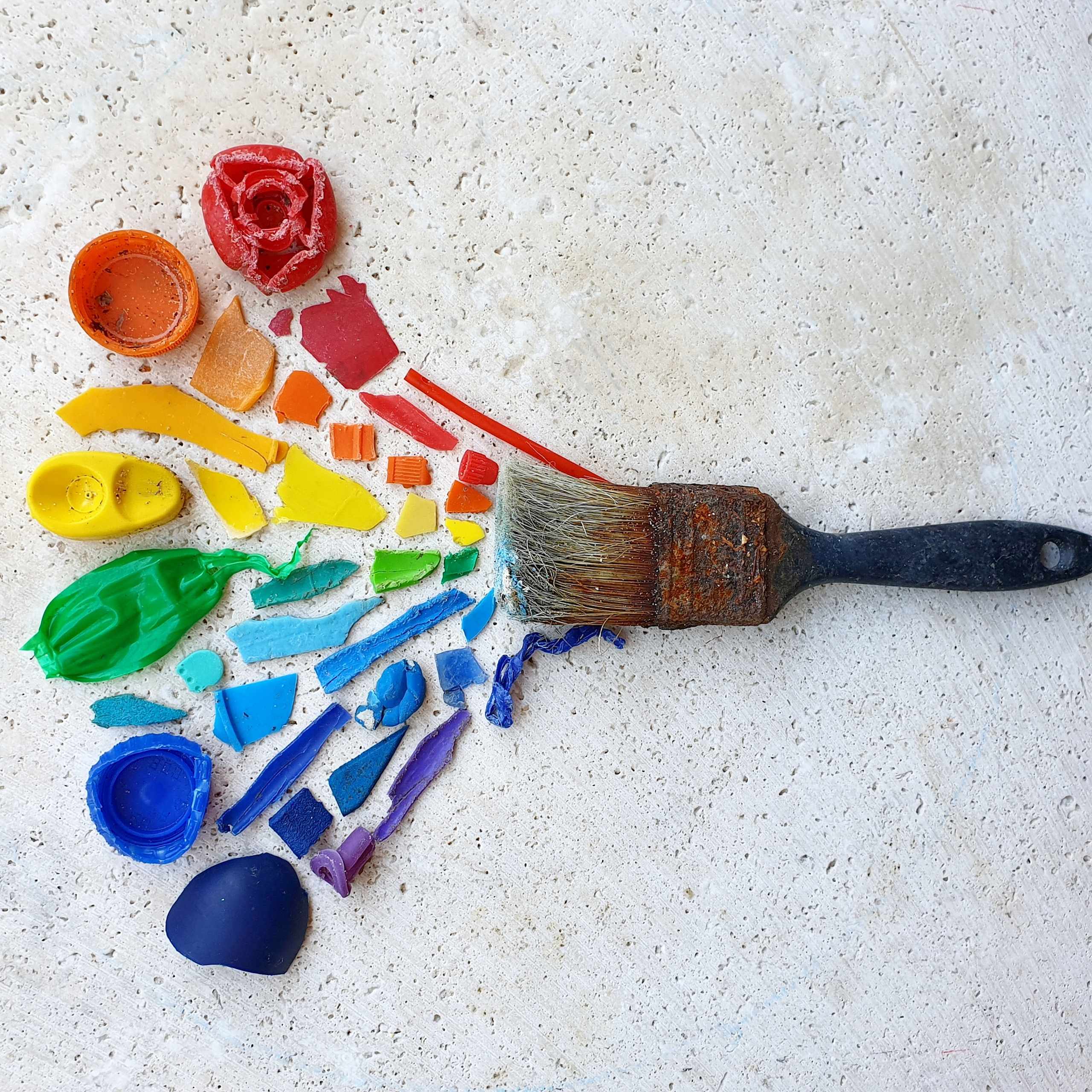
Decorative Painting Starts With The Brush
Practice brush pressure, paint loading, simple motifs, and layered color while learning how to build decorative designs one controlled stroke at a time.
Turn Simple Strokes Into Decorative Motifs
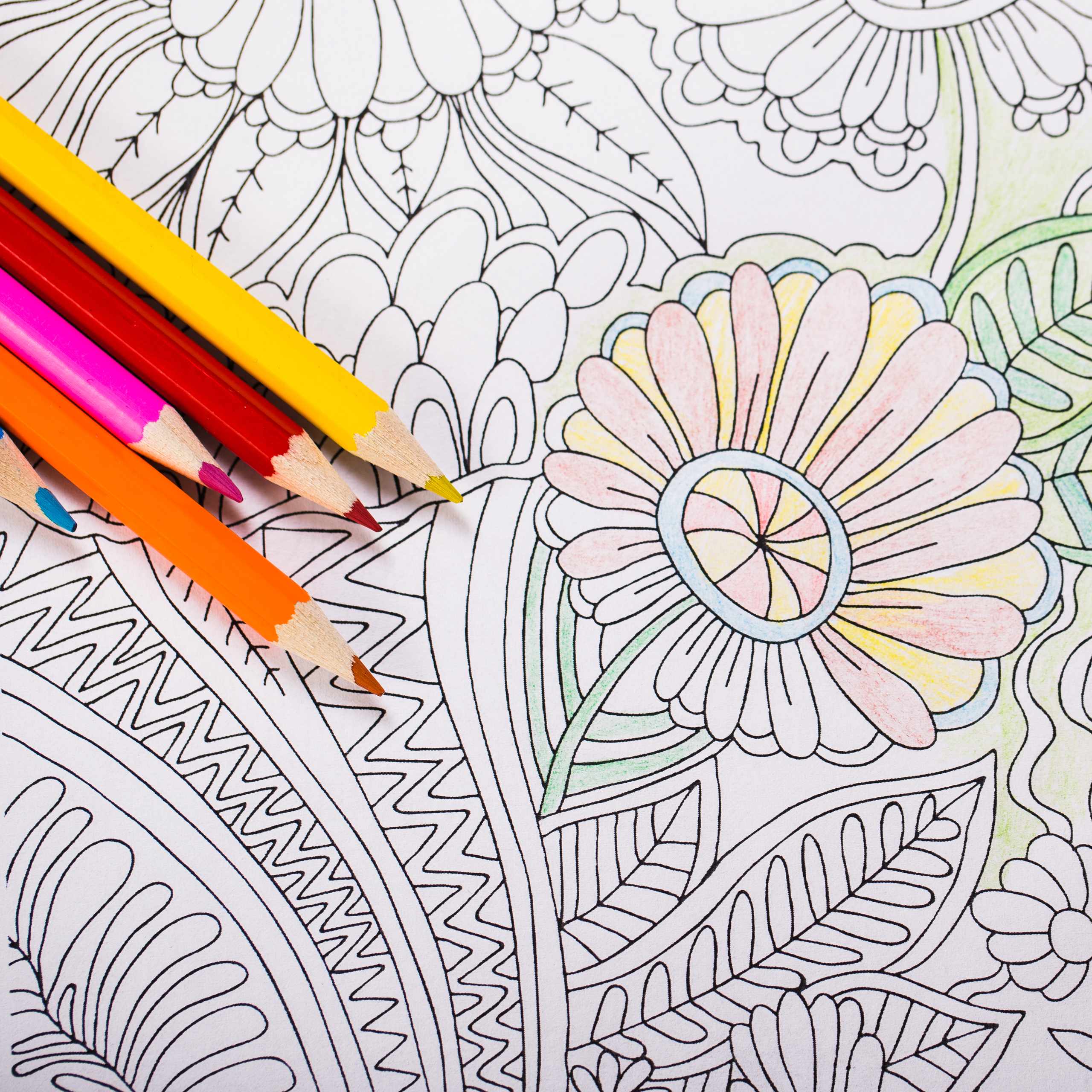
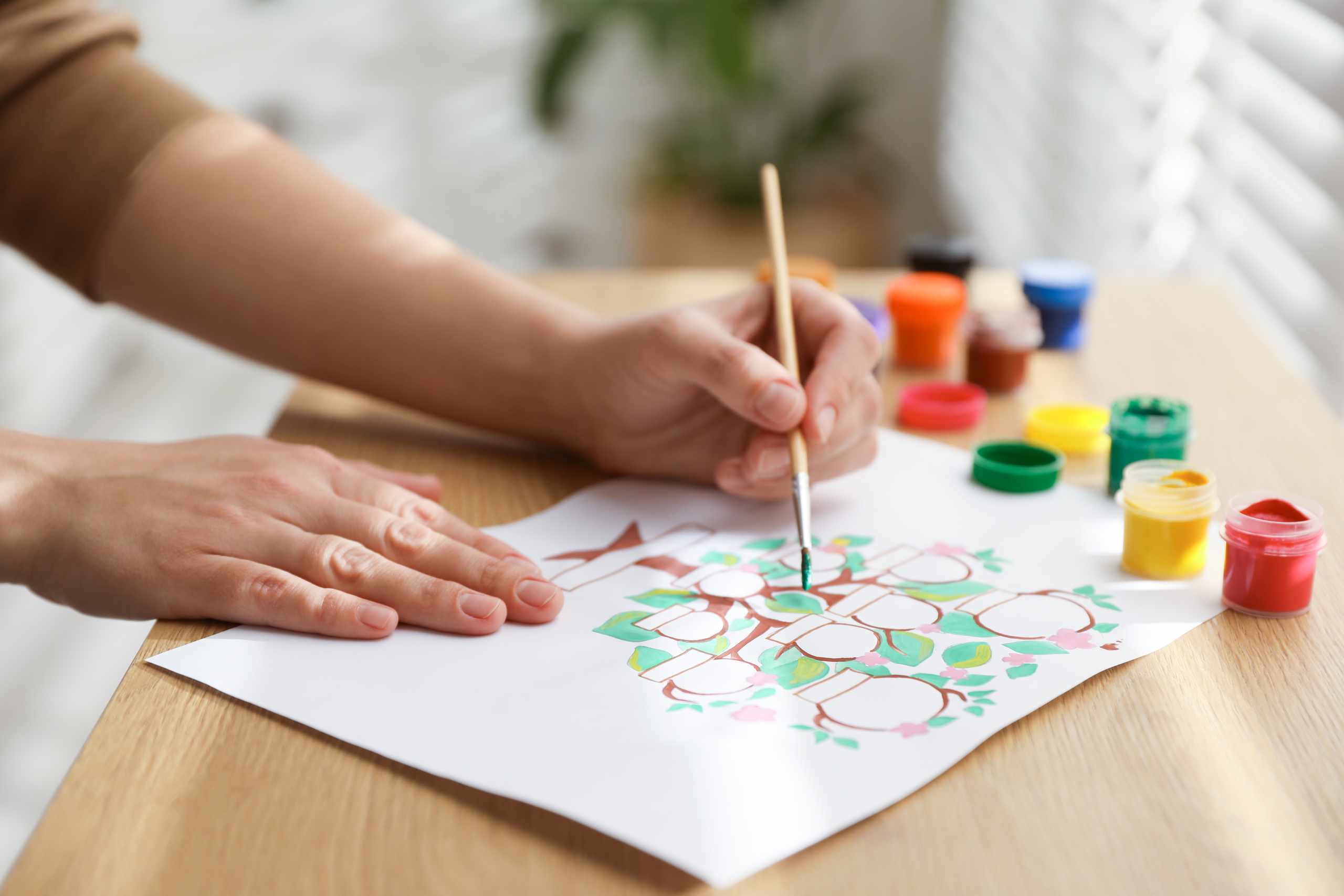
FROM STROKES TO FINISHING DETAILS
Build The Painting In Clear, Manageable Stages
Begin with brush loading and pressure-controlled strokes, then practice leaves, petals, curves, dots, and simple ornamental shapes. Small sketches help organize spacing before paint reaches the final surface, while limited palettes and proper drying time make layering easier to control. As the motif develops, highlights, shadows, outlines, and small corrections can be added without burying the original shapes under too much paint.
What You Practice
Work on the small decisions that shape cleaner decorative painting, from brush pressure and spacing to color and finishing details.
Brush Pressure And Stroke Control
Motif Spacing And Repetition
Color Layers And Edge Control

Practicing the same leaf and petal strokes before painting a full motif made it much easier to see when I was using too much paint or pressing the brush too hard.

Haruki Ota
Make Each Mark More Deliberate
A decorative motif becomes easier to manage when you test the paint, plan the spacing, and build the surface gradually.
Test Paint Consistency Before The Final Surface
Plan Borders With Light Spacing Guides
Let Layers Dry Before Adding Fine Detail

Practice Beyond The Paintbrush
Read practical notes on brush loading, decorative borders, limited palettes, paint consistency, repeated petals, surface testing, and the small corrections that help keep a motif clean instead of overworked.